

Bloodhound Breeding
Petfindly finds you the best companion to fulfill Bloodhound all mating needs
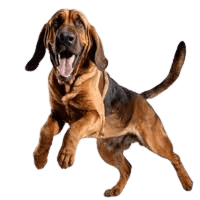
At Petsfindly FINDS YOU THE BEST COMPANION TO FULFILL BLOODHOUND ALL MATING NEEDS.
Bloodhound breeding is a serious matter. As dedicated dog lovers and specialist in veterinary, we know how challenging it is to find the right breeding partner for your wonderful dog. PetsFindly is a trusted site and a one-stop solution that makes it easy and quick for the Bloodhound dog owners and breeders in finding the right mate for their valued dogs. By employing an efficient specific search formula, PetsFindly takes such major aspects as place, age, sex and health into consideration in order to select the most suitable matching partners for breeding.
PetsFindly is simple to operate and lets you post an intricate definition of the Bloodhound you have that contains some images, bloodline, special medical condition and temperament. There are also other profiles where you can go through other profile owners and contact them for the breeding of the car further.
Coming to PetsFindly, you will be guaranteed to get your ideal breeding companion for your Bloodhound. This platform has your pet’s genetic health at heart as well as producing strong and healthy puppies.
Why not become a member of PetsFindly now and search for the perfect breeding partner for your Bloodhound and give your pet the best future it deserves.
Pro tips while taking your Bloodhound for breeding
The right age for breeding a male Bloodhound is 18-24 months up to 6-6.5 years, and for a female Bloodhound is 18 months up to 7 years.
It’s essential to ensure that you’re engaging in responsible breeding practices to maintain the health and well-being of the parent dogs and their puppies. That’s where this dog breeding checklist comes in handy! This comprehensive guide provides all the information you need to make informed decisions throughout the breeding process, from selecting healthy parent dogs to providing proper care for the puppies.
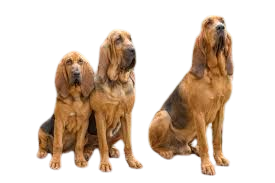
Health Testing
Before starting a breeding program, Bloodhound owners should undergo a number of health tests in order to identify hereditary diseases. The American Kennel Club advises breeders to conduct numerous tests among which are hip dysplasia, elbow dysplasia, and eye disorders. It is also important to ensure that both the mother and father of your dogs are healthy; through selecting dogs that have healthy parents you are likely to have healthy litters and therefore cut short the transmission of health problems to their offspring.
Temperament
Passing on genes is important in the Bloodhounds and that is why it is important to stick to breed standards. When they are planning to breed them they should try to have good manners and temperaments that children are capable of handling. To accomplish this it is necessary to analyse the temperament and behaviour of the given masks carefully before breeding.
Maintaining Breed Standards
Prolific breeding that is in line with the breed standard is essential as far as the conformation of the Bloodhounds is concerned. This helps in making sure that things like a good bone density, a good coat, and an overall soundness of the breed to sustain the breed standard and the beauty that is associated with the breed.
Ensuring Genetic Diversity
Bloodhounds may encounter particular health challenges because of their rather constrained pool of genetic options. To overcome this, breeders have to make sure they scrutinise the embarking animals’ pedigree to ensure that they do not breed close relatives or relatives. Also, it makes it easier for one to look for other health related problems which makes the litter healthier and more diverse.
Providing Optimal Nutrition and Care
Hunger and nutrition play an important role in the overall health of bloodhound breed during breeding period and to its offspring. During pregnancy, dogs and especially nursing females should be fed a premium quality diet and get proper prenatal as well as postnatal care. Puppies have to be first introduced to other dogs and people and are given basic veterinary check ups such as vaccinations and deworming to develop into responsible adults.
Pedigree Analysis
The Bloodhound is one of the recognized dog breeds that many people fancy due to its giant size and the special appearance. They have smooth and shiny skin with a nice body built to show their strength. Here are some of the breed’s defining characteristics:Here are some of the breed’s defining characteristics:
Coat
Bloodhounds are medium sized dogs who have short thick coats of hair which is commonly of red black and brown colour. They need little attention to being groomed since their coat does not shed heavily.
Size
Bloodhounds are massive in size, male bloodhounds in particular have an average weight of 90-110 pounds and average height of 25-27 inches at the shoulders. Females however are slightly smaller in size, although they weigh between 80-100 pounds and stand slightly at 23-25 inches tall.
Temperament
Bloodhounds can be easily trained, but may be stubborn and tenacious; these dogs are friendly and playful. They are usually friendly with kids and other domestic animals, but since it is a hunting breed, it is advisable for owners who have other small animals to refrain from this breed.
Intelligence
Nonetheless, Bloodhounds are smart dogs and although they are strict and proud they can do a lot of disobedience. Their olfactory organs are very sharp, making them suitable for tracking and hunting activities.
Health
There are some diseases that are common with bloodhounds such as hip dysplasia, bloat, ear infections and skin allergies. They also have a shorter lifespan, about 8-10 years. Bloodhounds should visit the vet frequently and in addition, should also receive proper care so that they do not fall sick all the time.
GROOMING
This breed’s coat is short, which means that they do not demand a lot of attention in terms of grooming. However, their ears and these require cleaning to avoid instances where the dogs develop an ear infection.
ENERGY
The bloodhounds are moderately active. They will require exercise, otherwise boredom can lead to lethargy and gain weight.
Because of these characteristics, you should be able to promote the good health and well being of your bloodhound.
Latest Posted Ads
Finding a reputable Breeder
If you are interested in breeding Bloodhounds then the right approach is to look for a reputable breeder that cares about the health of their animals. Here are some tips to help you locate a responsible Bloodhound breeder:
Understand Bloodhound Breed Standards
It is necessary to have an idea about the Bloodhound breed standards before beginning the search. Bloodhounds are big dogs that have droopy and loose ears with skin which is also wrinkled and saggy on the face. They have an incredible sense of smell and have a low pitched, musical type of growl. This knowledge is important because it will enable you to assess the prospective breeders depending on specific breed standards.
Ensure Health Screenings
Hip dysplasia, bloat and ear infection are some of the health complications that this breed is prone to suffer from. Seek for the breeders who make health check ups on their dogs. This includes hip and elbow dysplasia and bloat and ear infection tests. The breeder should be willing to forward documents supporting the test results to show that he or she is serious in breeding healthy dogs.
Prioritize Key Traits
Bloodhounds as the name suggests have a very keen sense of smell and therefore are great trackers as well as hunters. Look for breeders who have focused on these traits and are able to breed dogs with fantastic senses of smell and tracking. A breeder taking part in canine activities such as Tracking or Hunting prefers these characteristics.
Visit the Breeder’s Facility
If it is possible, then seek an opportunity to personally go to the breeder’s place and check on the dogs and their environment. Search for well-lit, well-ventilated places with great possibility of communication and with physical activities. The dogs should be friendly and well socialised, this would mean the environment the dogs were raised in is friendly too.
Ask for References
Request the breeder for contacts of previous puppy customers or other breeders that have bought their stock. These references can be reached to know the experiences with the breeder and the level of satisfaction of their dogs.
Discuss Breeding Philosophy
Ask the breeder about his operating breeding aims and principles. Breeders should be in a position to justify why they adopted the particular breed of dogs that they have and their overall breeding goals. Knowledge of their goals will enable you to find out if they have the same goals as yours.
Review Contracts and Guarantees
Evaluate any contracts that the breeder makes with the buyers and any warranties given. First and foremost, a reputable breeder should be willing to give the new owner a health guarantee. Additionally with the right to take back their pups in case the new owner cannot cater for the dogs anymore. This shows how they are willing to take care of the dog for the rest of its life. By following the above guideline, one is able to meet a breeder who is careful when breeding Bloodhounds. This will lead to a careful and good decision when choosing your pet.
Find the best match for your Bloodhound


Frequently Asked Questions
A male Bloodhound should prefer to breed when he is at least two years of age. This age enables him to reach his maximum development physically and mentally. Which is very important for the procreation of healthy puppies. It is inadvisable to breed a dog when she is still young. It will affect the health and behaviour of the stud as well as the puppies. Make sure that the stud is healthy and check for any hereditary diseases. Since he can pass those on to his offspring. Breeding should only be done after consulting a vet and seeking the help of a breeder.
A Bloodhound stud can mate several times in his lifetime. However it is crucial to allow the dog to rest in between breeding to ensure he is healthy. The male Bloodhound remains in the breeding process as long as he is sexually active. Usually, till the age of 6-7 years old. This may differ from one dog to the other depending on health and previous breeding records. Proper consultation with a veterinarian and a professional breeder will define the proper breeding frequency for Bloodhound stud. Although getting a new litter or breeding may seem like a good idea, overbreeding or breeding an older dog is unhealthy for the stud and the little ones
It is one of the best breeds when it comes to tracking. There is a disagreement on where Bloodhounds originated from, but the most likely countries are Belgium, France, and England. It has multiple descendants. For instance, the St Hubert’s Hound, an ancient tracking breed. The extinct Talbot Hound, which probably added features such as the floppy ears and loose skin on the face. There are other related breeds as well such as the Southern Hound and the Foxhound.
The average lifespan of bloodhounds ranges in between 10- 12 years. However, with a good diet and exercise, some of them can live up to 14 years. Bloodhounds, like any other breed, have a certain life span. It can be affected by genetic predisposition, proper nutrition, exercise, etc. It is important because the more you understand the lifespan of an animal the better are its chances of having a healthy long life.
PetsFindly will help you find desired Bloodhound breeders and dogs in your area as well. It has a search box that leads you to local Bloodhound owners and breeders. There you can get access to pet’s profiles and even get in touch with them. PetsFindly considers important factors like location, age, gender, and health when matching you with potential breeding partners. Using PetsFindly, you can easily find a reliable and responsible Bloodhound breeder near you.
You might be interested to know
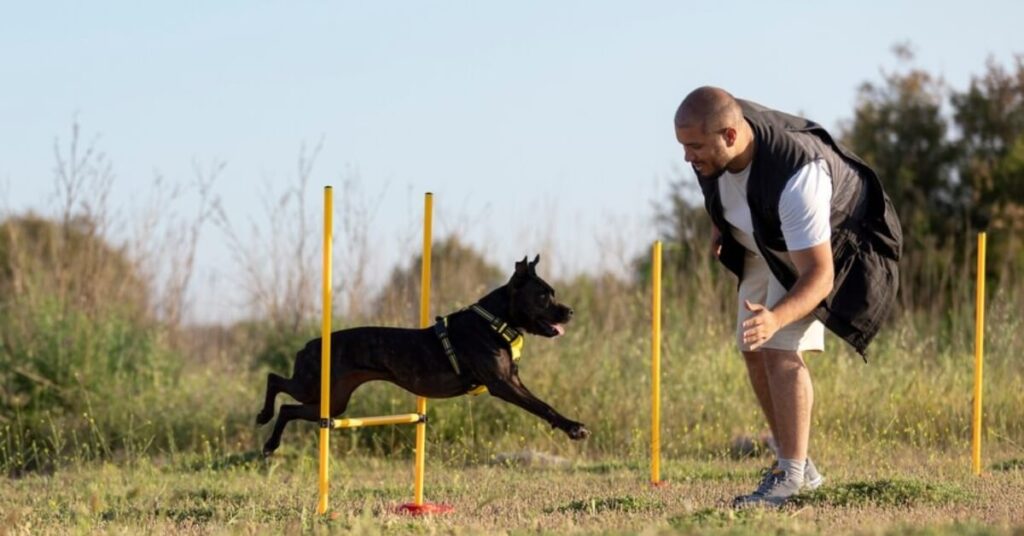
How to train a Female Cane Corso: Tips and Tricks for a Happy, Healthy Dog
The Cane Corso is a form of the Italian Mastiff breed. They are less bulky than other mastiff…

Can a Female Dog breed with two Studs?
As per the research, a female dog can have two studs during her mating period and produce a…

12 Best Dog Breeds for Apartments
Living in apartments can be a tricky road for canines and their owners. Other than the lack of a…
Dogs For Breeding Near You
- Akita Breeding
- Australian Shepherd Breeding
- Basset Hound Breeding
- Beagle Breeding
- Belgian Malinois Breeding
- Bernese Mountain Dog Breeding
- Bichon Frise Breeding
- Bloodhound Breeding
- Border Collie Breeding
- Boston Terrier Breeding
- Boxer Breeding
- Brittany Breeding
- Bull Terrier Breeding
- Bulldog Breeding
- Cane Corso Breeding
- Cavalier King Charles Spaniel Breeding
- Chihuahua Breeding
- Chow Chow Breeding
- Cocker Spaniel Breeding
- Collie Breeding
- Dachshund Breeding
- Dalmatian Breeding
- Doberman Breeding
- English Springer Spaniel Breeding
- French Bulldog Breeding
- German Shepherd Breeding
- German Shorthaired Pointer Breeding
- Golden Retriever Breeding
- Great Dane Breeding
- Havanese Breeding
- Labrador Retriever Breeding
- Maltese Breeding
- Mastiff Breeding
- Miniature Schnauzer Breeding
- Newfoundland Breeding
- Pomeranian Breeding
- Poodle Breeding
- Pug Breeding
- Rhodesian Ridgeback Breeding
- Rottweiler Breeding
- Shetland Sheepdog Breeding
- Shiba Inu Breeding
- Shih Tzu Breeding
- Siberian Husky Breeding
- Vizsla Breeding
- Weimaraner Breeding
- Welsh Corgi Breeding
- West Highland White Terrier Breeding
- Yorkshire Terrier Breeding